Sign In
 Free Newsletter

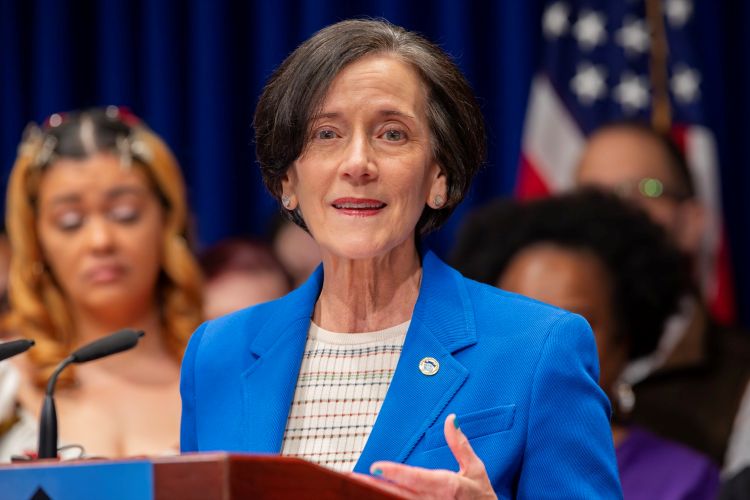
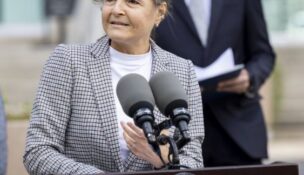
Pennsylvania Department of Human Services Secretary Dr. Val Arkoosh is advocating for continued investments in the workforce. PHOTO/PACAST
Shapiro Admin seeks increased minimum wage for workforce


 Listen to this article
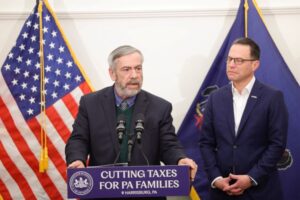
The Shapiro Administration is looking to raise Pennsylvania‘s minimum wage to $15 an hour, seeking to support direct care workers and boost the state’s economy.
Pennsylvania Department of Human Services Secretary Dr. Val Arkoosh is advocating for continued investments in the workforce alongside SEIU Healthcare direct care workers (DCWs).
“Direct care workers are vital to making sure that older Pennsylvanians and people with disabilities can live as independently as possible and with dignity in a home they choose,” Arkoosh said in a statement. “These professionals give so much of themselves to care for others, so we must support them and pay them fairly.
“Thanks to advocacy from SEIU and bipartisan investments in Governor Shapiro’s 2025-26 budget, we are getting that done, and now it’s long past time to raise the minimum wage to $15 an hour for all of Pennsylvania’s workers,” added Arkoosh.
Due to investments made in Gov. Josh Shapiro‘s 2025-26 Budget, the hourly rates paid to certain DCWs support a $15 hourly wage, personal time off, and recognize the cost of health insurance. Increases of $1-$5 per hour from their current hourly wage are being seen by these DCWs. As wages are decided between DCWs and the individual they work with, both employees and the person they work for must fill out, sign, and return a form to receive the raise. Forms must be submitted and received by May 8, to receive retroactive pay to Jan. 1.
According to a release, older Pennsylvanians and adults with physical disabilities can get assistance through Medicaid to live with more independence in their home rather than a group or facility setting. Through the “participant-directed model,” Medicaid recipients who need long-term care can choose to hire and manage their own DCWs directly to help with the services, support, and daily assistance they need to live safely in their homes.
Shapiro’s budget calls on the General Assembly to raise Pennsylvania’s minimum wage to $15 an hour beginning January 1, 2027. Supporters say this reform would boost consumer spending, reduce turnover for employers, and improve workers’ health and economic stability while also delivering significant savings for taxpayers.
Advocates believe that raising wages for nearly 61,000 workers who currently rely on Medicaid and earn less than $15 an hour would reduce reliance on public assistance, saving taxpayer resources. Per the release, higher wages would generate roughly $80 million per year in new revenue, strengthening Pennsylvania’s fiscal position and helping working families.