Sign In
Upcoming Event
 Free Newsletter

Pa.’s community centers struggling with rising costs, funding gaps, workforce shortages

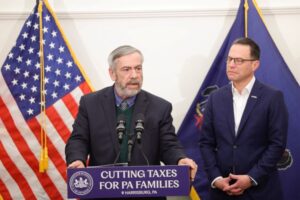
The Pennsylvania Association of Community Health Centers held a press conference advocating for primary health care providers. PHOTO/PROVIDED BY PACHC
Pa.’s community centers struggling with rising costs, funding gaps, workforce shortages


 Listen to this article
Pennsylvania community health centers serve over 1 million patients but struggle with rising costs and funding gaps amid Medicaid unwinding and workforce shortages, the Pennsylvania Association of Community Health Centers (PACHC) stated.
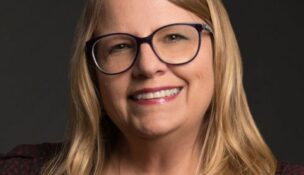
“PACHC represents the largest network of primary health care providers in the commonwealth,” PACHC President and CEO Shelley Riser said Wednesday in a press conference. “Pennsylvania’s community health centers – also known as federally qualified health centers or FQHCs – are serving more than 1,000,000 patients annually in 57 counties with more than 475 sites in underserved rural and urban areas throughout Pennsylvania. One in 12 Pennsylvanians count on a community health center as their health care home.”
According to a release, community health centers (CHC) provide affordable quality care, including medical, behavioral and dental care, vision services, pharmaceutical services, and other critical health enhancing services. The profile of patients served includes:
- 86% of the patients are at or below 200% of the Federal poverty level.
- 16% of patients are uninsured. This number is expected to grow as Pennsylvania and the country undergo the Medicaid Unwinding.
- 44% of patients are on Medicaid or CHIP.
The PACHC reported that Pennsylvania’s community health centers are struggling with narrowing margins and increased costs throughout their organizations. They must cover the costs of caring for the uninsured, often inadequate Medicaid reimbursement, and the costs of necessary but unreimbursed services to help the patients they serve get well and stay well and not require higher cost ER or hospital care. Covering the costs of care and ensuring access to care have become even more challenging because of increases in the price of goods, services and workforce, as well as diminished revenue from the 340B Drug Savings Program that was created to help safety net organizations like FQHCs to stretch scarce resources.
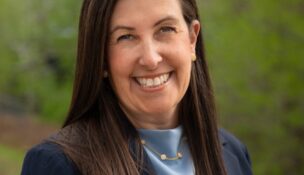
“Pennsylvania’s Community Health Centers are requesting $5 million in funding in the Pennsylvania State Budget (FY 2026-27) to assist us in covering the costs of providing care to uninsured Pennsylvanians and to assist in covering additional unfunded costs, such as community health workers, transportation, care coordination, technology costs, and more,” said Manal El Harrak, vice chair of the PACHC Board of Directors and CEO of Sadler Health Center Corp in Central PA. “Pennsylvania is one of only four states in the country that doesn’t financially support this critical safety net and we can no longer carry this burden alone.”
The Primary Care Workforce Initiative (SB 614) launched by Sen. Michelle Brooks is part of the solution to addressing provider shortage and improving recruitment and retention of providers for CHCs in areas affected by the maldistribution of healthcare professionals today, tomorrow and into the future. The initiative would help CHCs to cover part of the costs of providing preceptorships to students in high demand medical fields while exposing the students to the benefits of providing care in a community setting.
The PACHC said CHCs are struggling to find a qualified workforce to meet the growing demands of care and are unable to compete with hospitals and other large healthcare employers for a limited workforce. This program would help to show students the benefits of community health care and assist CHCs in meeting the needs of the community, with the goal of retaining Pennsylvania’s highly trained health care workforce in a community health setting and/or in Pennsylvania. The current bill was amended in the Senate to focus on rural providers so the initiative could be funded through the Rural Health Transformation Plan under the Department of Human Services, rather than through state tax dollars. The bill awaits passage in the House of Representatives.
Pennsylvania’s health centers save the health care system an estimated $1.59 billion per year, per the release. The Federal Congressional Budget Office noted that “Evidence suggests that such care leads to more cost effective care and ultimately to lower federal spending for the Medicaid and Medicare populations they serve; the use of health care provided by CHCs generally is associated with lower spending in emergency departments, in inpatient hospital settings, and for other outpatient services.”
“We couldn’t do what we do—and collectively what we do is provide 3.6 million individual patient visits every year for services—without all the great people who work in Pennsylvania’s FQHCs and the funding necessary to keep our doors open and services available,” El Harrak said.