Sign In
Upcoming Event
 Free Newsletter

Understanding Epilepsy in Children
Understanding Epilepsy in Children


1 in 26 people will develop epilepsy during their lifetime, and about 456,000 American children under the age of 17 have epilepsy, according to the Epilepsy Foundation.
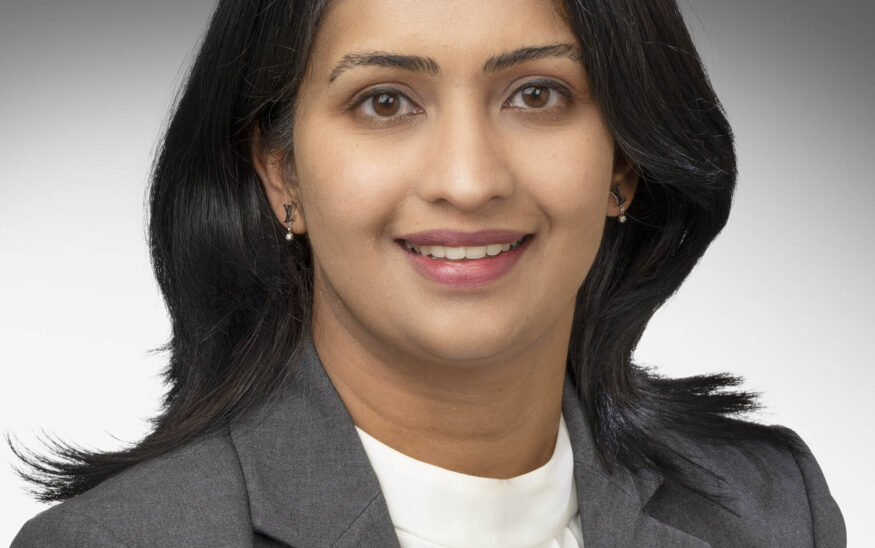
Lekshmi Peringassery Sateesh, MD, a pediatric neurologist with UPMC Children’s Specialty Services in central Pa. cares for children from birth to early adulthood with various neurological conditions, including epilepsy. “Epilepsy is a chronic condition of the brain that causes unprovoked seizures. It is the most common neurological condition in children, and its prevalence typically peaks at ages 5 to 9.”
Epilepsy can be caused by structural brain abnormalities, following brain insults, brain infections, genetic or metabolic conditions, or sometimes without clear causes.
Seizures are the main symptom, but developmental regression, especially in younger kids, is also an indicator for further discussions and tests. Seizures typically present with uncontrolled repetitive twitching of a body part; however, may look different person to person. Other symptoms include loss of awareness, confusion, blank stare, or lip smacking.
“Seizures are abnormal electrical activity produced by the brain. Children with developmental delays and autism are at higher risk for epilepsy,” says Dr. Sateesh.
“The first thing we determine is whether it’s a focal or generalized seizure. Focal seizures come from one part of the brain. Generalized seizures occur when abnormal electrical activities come from the entire brain or deeper structures. Focal seizures can change to generalized, so this can make it hard for families to differentiate between the two. This is why it’s important for the child to see a pediatric neurologist. We can easily differentiate between the two and provide proper medications to manage the condition,” explains Dr. Sateesh.
“We typically ask the family what they exactly see when their child has a seizure. A video is very helpful because it helps identify the type. I also do a comprehensive neurological exam including bedside hyperventilation, which can provoke absence seizures. We also use EEG, MRI, or genetic testing to understand the risk of having more seizures and prognosis,” says Dr. Sateesh.
The treatment plan varies based on the patient, age, cause, and the part of the brain from which the seizure is coming. Understanding the child’s birth and family history, and symptoms, are key. Treatment usually starts with anti-seizure medications, and if medication fails, alternative options include ketogenic diet, brain stimulation devices, or epilepsy surgeries.
UPMC Children’s Specialty Services’ goal is to help children live a fulfilling life. Dr. Sateesh knows kids want to be kids, so she works with families in managing epilepsy as well as triggers, like stress, sleep deprivation, or fevers. She also says, “Do all activities with extra care and proper equipment; exercise; and do not drive unless you’re seizure free for 3 months with and without medication. Epilepsy impacts the entire family, so when I meet with the family, I make sure it’s a conversation, shared decision for treatment options, and their questions are answered. I want to help their child live their best life.”
UPMC Children’s Specialty Services’ pediatric neurologists see patients in Harrisburgand New Oxford.