Sign In
Upcoming Event
 Free Newsletter


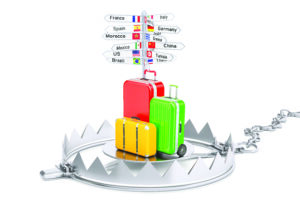
PHOTO/peterschreiber.media, GETTY IMAGES
Members 1st warns Pennsylvania consumers about travel fraud risks


Summary:
- Members 1st assistant vice president Sherry Ehler issues warning
- One in five Americans experience travel-related scams
- McAfee report: 23% lost money, 13% lost over $500
With summer vacation season underway, many people are eager to get out of town and escape the day-to-day grind.
But Sherry Ehler, assistant vice president of card services at Members 1st Federal Credit Union, said consumers shouldn’t let their enthusiasm interfere with their good judgement.
Vacation season is prime season for scammers looking to take advantage of those looking for a good deal
Travel fraud is a common problem this time of year, she said.
“Travel fraud is similar to other types of scams,” Ehler said. “If you’re booking a trip online, make sure you’re on a legitimate site.”
Fake travel websites, misleading listings and fraudulent payment pages are becoming more common, putting travelers at risk of losing money before they ever reach their destination.
Ehler said recent studies show that one in five Americans has experienced a travel-related scam, and nearly a quarter of those victims lost money.
While many consumers say they research travel scams ahead of time, criminals continue to find new ways to appear legitimate and convincing.
When receiving a solicitation for a travel deal that may seem to good to be true, she said check the URL to make sure there are no unusual numbers or letters that don’t look correct.
That’s usually a sign the website isn’t what it claims to be.
“If it’s too good to be true, trust your gut. Think before you act,” Ehler said.
Pressure is another tactic a scammer may use.
“If you’re being pressured that you need to make a deal right away, you should take a pass,” she said.
And it’s not just online scams that travelers need to worry about. Scammers can get busy this time of the year and travelers should be wary of scanning their card at unknown locations where devices like skimmers might be copying and stealing their credit card information.
“There’s all kinds of different systems to swipe a card,” Ehler said. “Make sure nothing is protruding – like a skimmer.”
She said using tap to pay is one way to protect against such devices.
But credit card companies and financial institutions are there to help consumers avoid such scams.
She said such institutions monitor accounts and will alert a consumer if there is any suspicious activity on an account.
But, she said, that makes it important for consumers to pay attention to such alerts and take action if any suspicious activity is occurring.
“That way you can turn off your card if you suspect any fraudulent activity,” Ehler said.
Travel scams can have real financial consequences. According to McAfee’s ‘Safer Summer Travel Report,’ among Americans who fell victim to a travel scam:
- 23% lost money
- 13% lost more than $500
- 5% lost more than $1,000
Even though two-thirds of Americans say they research travel scams before booking, many still fall for fake payment sites, malicious confirmation links and listings that misrepresent accommodations or services.