Sign In
Upcoming Event
 Free Newsletter


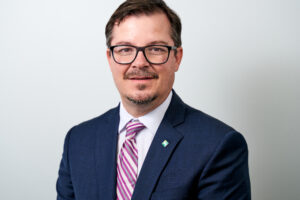
Legislation to increase child labor violations was the focus of a hearing conducted Tuesday by the House Labor and Industry Committee and was sponsored by Rep. Ryan Mackenzie, R-Lehigh. PHOTO/GETTY IMAGES
Lehigh Rep.’s Child Labor bill focus of Pa. House committee


Rep. Ryan Mackenzie, R-Lehigh, has cited national news services reporting that children in the U.S. are laboring in deplorable conditions deboning chickens, working in slaughterhouses, and making sweat socks.
To increase the penalties for the most serious child labor law violations and require cross-reporting of such cases to further protect vulnerable children, Mackenzie sponsored House Bill 1714 to protect minors in Pennsylvania from being exploited by employers.
Mackenzie’s legislation was the focus of a hearing conducted Tuesday by the House Labor and Industry Committee. Federal officials noted a 70% increase in child labor violations dating back five years. Pennsylvania officials noted in September that the Department of Labor and Industry has opened 276% more child labor cases since January than it did during the same period one year ago.
Mackenzie, who serves as Republican chairman of the House Labor and Industry Committee, said the issue is primarily a child welfare issue, and that his bill is but one piece of the puzzle.
“Our goal is to protect all children, whether they are U.S. citizens or unaccompanied foreign nationals,” Mackenzie said.
Under House Bill 1714, the following changes would be made to Pennsylvania’s Child Labor Act:
- A violation would be a second-degree misdemeanor if the violation was willful, and the employer knew or should have known the child was without proper parental supervision and took advantage of the situation.
- The Department of Labor and Industry would be required, when applicable, to cross-report violations to appropriate federal and child welfare authorities, ensuring an at-risk minor is removed from a dangerous working or living situation.
- An annual report would be required to detail the nature of violations, the locations, and the industries where violations are most frequently occurring.
Mackenzie told the committee he believes a major driver in the rise of more serious violations is the exploitation of unaccompanied children who were placed across the United States by the federal government.
“These children are foreign nationals who crossed the border unaccompanied by any parent, guardian, or responsible adult,” said Mackenzie. “Unaccompanied children – many younger than 14 – have been found cleaning blades in food factories, deboning chickens, working in slaughterhouses, making sweat socks, producing snacks we find in our grocery stores, and manufacturing auto parts used in American cars.”
Mackenzie noted that several national news outlets, including the New York Times and Reuters, have reported the plight of unaccompanied children in this country, where about 263,000 of them were placed with sponsors by the U.S. Department of Health and Human Services during 2021-22.
Dauphin County Social Services for Children and Youth is witnessing an increasing number of cases involving unaccompanied minors, Administrator Marisa McClellan testified to the committee.
“The kids are coming here for labor purposes – to send money back to their families. They either end up working, or they end up involved in sex trafficking,” said McClellan. “We are seeing youth who are working in clear violation of child labor laws and who are undocumented and unaccompanied.”
Lisa Kane Brown, a child advocate attorney, issued a written testimony to the committee stating that cross-reporting can be a valuable tool in holding adults who commit violations accountable. She added that it is crucial that traumatized children found in these workplaces are not penalized for being victims of abuse.
“The criminal penalties in the bill are significant and warranted,” wrote Brown. “They also provide an opportunity to hold violators accountable, act as a deterrent, and, I would suggest, the monetary penalties could provide needed funding for these victims to receive care.”
Said Mackenzie, “All of us need to take this issue seriously and come together on a solution to ensure the safety of these most vulnerable children who are currently being failed by the people and institutions that are supposed to protect them.”